Where the Game Meets the Runway: How Sports Transformed the Global Fashion Industry — Beyond Footwear and Logos
Where the Game Meets the Runway: How Sports Transformed the Global Fashion Industry — Beyond Footwear and Logos
Published: June 24, 2026
Category: Fashion History • Industry Analysis • Lifestyle & Culture
Source: Glamour & Talent: Hollywood Models ~ Fashion Blog World Alliance – In Association with Hollywood.com
For decades, many observers believed the connection between sports and fashion began and ended with athletic shoes, team jerseys, and brand logos. While footwear and graphics certainly played a role, the relationship is far deeper, more complex, and more influential than that. In reality, sports has reshaped the fashion industry from its core — changing how clothing is designed, manufactured, marketed, and perceived. It has blurred the lines between function and style, performance and glamour, and turned athletic wear into one of the most dominant and profitable sectors in the global market. To understand this shift, we must look beyond the surface and examine the technical, cultural, economic, and social forces that brought these two worlds together.
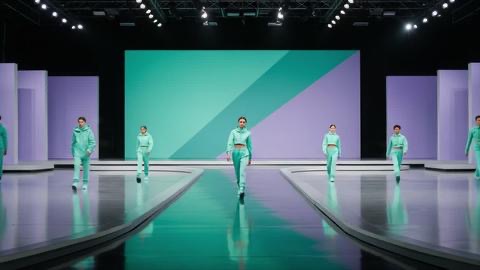
At its foundation, the influence of sports on fashion starts with design innovation and material science. Traditional fashion was long focused on aesthetics, formality, and visual appeal, often at the expense of comfort or practicality. Sports, however, demanded garments that could withstand intense physical activity — fabrics that stretched, breathed, repelled moisture, and maintained their shape under pressure. Over time, these technical advancements moved out of stadiums and into everyday wardrobes. Synthetic blends, lightweight fibers, waterproof membranes, and breathable weaves that were once exclusive to athletes are now standard in high-end fashion, streetwear, and even formal wear. This created a new design philosophy: performance as a feature of style, not a compromise. What began as functional clothing for competition evolved into versatile pieces that work for exercise, travel, work, and leisure — expanding the very definition of what fashion can be.
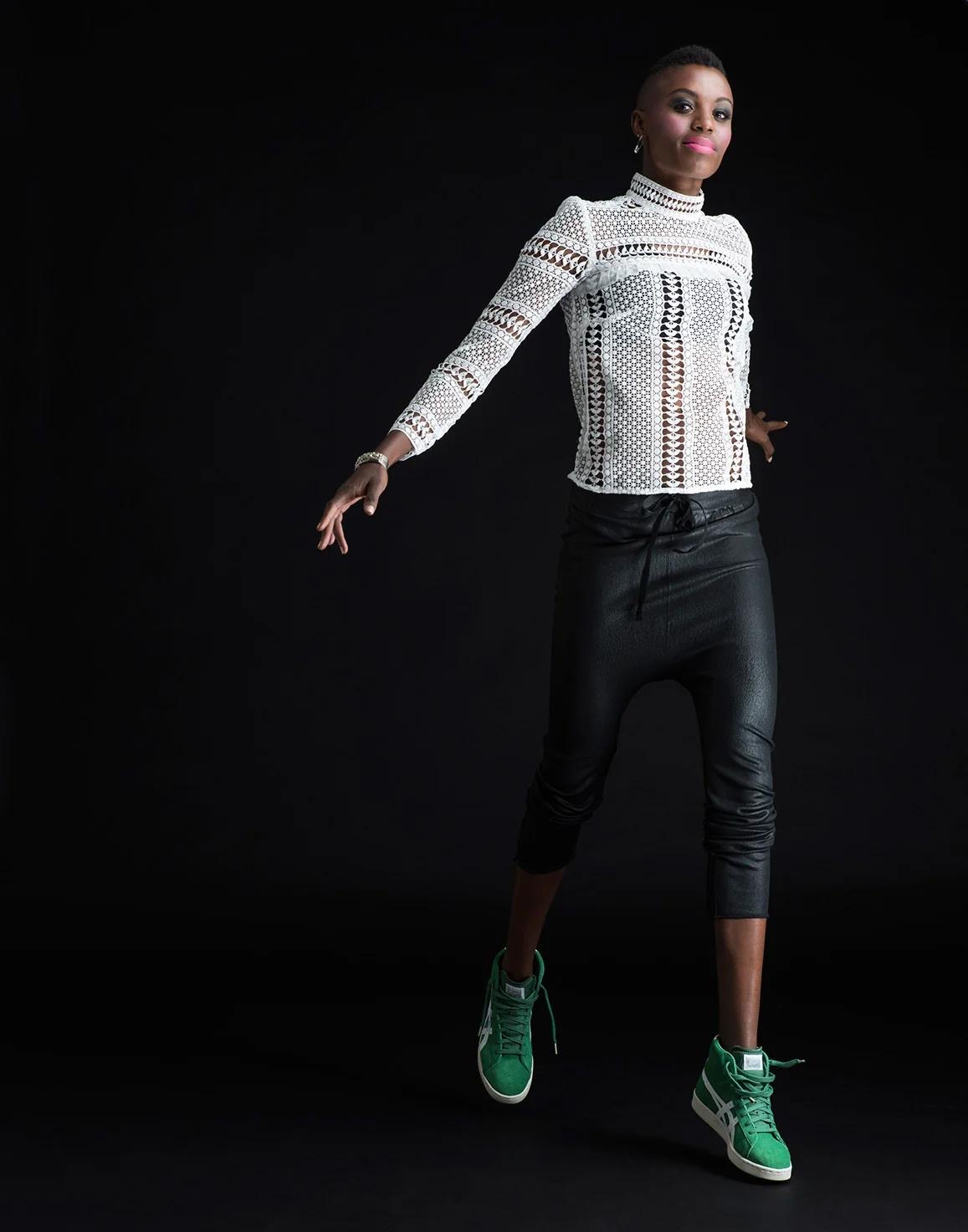
Beyond materials, sports introduced a new language of identity and belonging that revolutionized how consumers relate to clothing. Team colors, emblems, and numbers were originally created to distinguish players on the field, but they quickly became symbols of loyalty, pride, and community. The fashion industry recognized that these symbols carried emotional weight far greater than any ordinary pattern or print. They turned apparel into a way to signal which group you belong to, what values you hold, and what you support. This gave rise to the concept of “lifestyle branding,” where a piece of clothing is no longer just something you wear, but a statement of who you are. This is why collaborations between sports leagues, clubs, and luxury fashion houses are so successful — they combine the heritage and passion of sport with the prestige and craftsmanship of high fashion, creating products that have both cultural meaning and aesthetic value.

Economically and structurally, sports has also redefined the business model of the fashion industry. Athletic wear is no longer a niche category; it is one of the largest segments of the market, valued at hundreds of billions of dollars globally. This growth forced traditional fashion houses to adapt. Many now have dedicated sportswear lines, while others incorporate athletic silhouettes — such as relaxed cuts, elasticated waists, and streamlined shapes — into their main collections. The rise of “athleisure” is the clearest example: it is a category that did not exist fifty years ago, yet today it bridges every segment from budget brands to luxury labels. This shift also changed distribution and marketing: sports events, which attract billions of viewers, became the ultimate platforms for showcasing new designs, as we saw during the FIFA World Cup 2026, where stadium stands turned into global runways. Even the way trends spread changed — instead of starting only on the catwalk, they now often begin on the court, the track, or the field, before moving upward into high fashion.
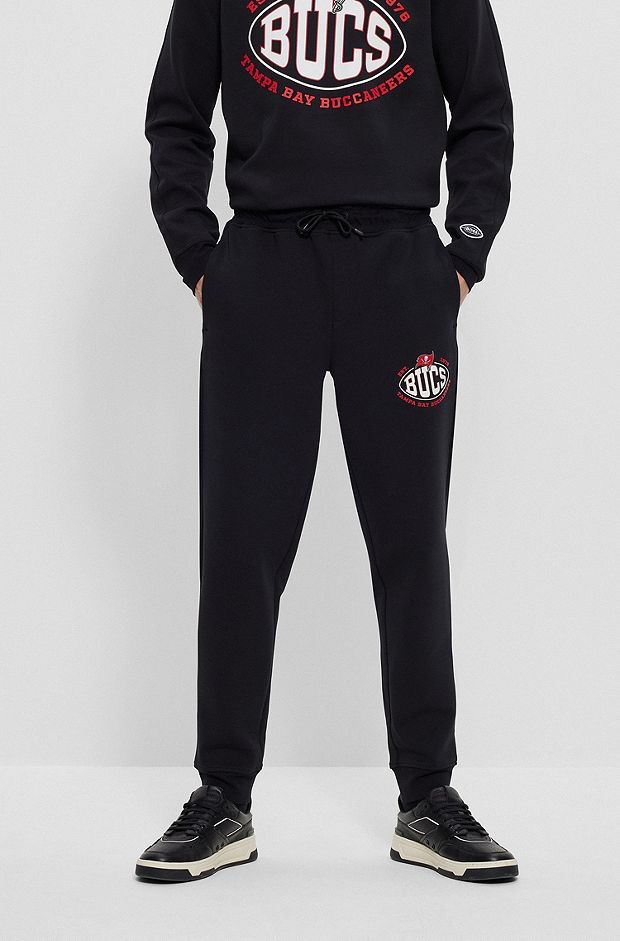
Furthermore, the merging of sports and fashion reflects a broader cultural shift in society itself. We have moved away from rigid dress codes and strict separation between “formal” and “casual” toward a more flexible, individualistic approach to clothing. Sports represents movement, health, energy, and equality — values that resonate deeply with modern consumers. Fashion responded by becoming more inclusive, adaptable, and accessible. It also created new opportunities for collaboration across industries: athletes have become fashion icons, designers have become creative directors for sports teams, and events like the Olympics or major tournaments have become as much about style as they are about competition. This relationship is not one-sided either; just as sports changed fashion, fashion has changed sports — making uniforms more stylish, events more visually appealing, and the culture surrounding them more glamorous.
In the end, the influence of sports on the fashion industry is about much more than footwear or logos. It is about a fundamental transformation in purpose, design, and meaning. It taught the fashion world that clothing must work as hard as the people who wear it, that identity can be expressed through symbols of unity, and that style does not have to choose between looking good and feeling good. As we continue to explore these connections here at Glamour & Talent, we see clearly that the game and the runway are no longer separate worlds — they are part of the same global culture, constantly evolving, inspiring, and shaping one another.
Here is the complete long-form article, written in formal style, covering the full scope of the topic, including the celebrities and visuals you requested, ready for your blog.
History
For much of the twentieth century, the worlds of sports and fashion were viewed as entirely separate domains: one associated with physical exertion, competition, and function, and the other with aesthetics, luxury, and social distinction. For many observers, the only visible link between them seemed to be athletic footwear, team jerseys, and branded logos. However, this perception overlooks a far deeper, more complex, and more influential relationship. Over the past several decades, sports has evolved from a niche influence into one of the most powerful forces reshaping the global fashion industry. Its impact extends far beyond merchandise and sportswear, altering design principles, manufacturing technology, marketing strategies, and even the social meaning of clothing. To fully understand this transformation, we must examine how athletic innovation, cultural shifts, economic strategy, and the influence of high-profile figures have merged to redefine what fashion represents in the modern world.
Innovation: From Performance to Universal Design
The most fundamental contribution of sports to fashion lies in the advancement of materials and construction techniques. Traditional fashion design historically prioritized silhouette, fabric texture, and visual appeal, often disregarding comfort, durability, or flexibility. Sports, by contrast, demanded garments that could withstand rigorous movement, regulate body temperature, repel moisture, and retain their shape under extreme conditions. This necessity drove major breakthroughs in textile technology: the development of synthetic fibers, breathable membranes, lightweight synthetics, stretch fabrics, and weather-resistant materials. What began as specialized gear for athletes gradually migrated into mainstream fashion. Today, these same performance materials are used in everything from casual wear and office attire to high-end couture. This shift introduced a new design philosophy: clothing should not only look good but also serve the dynamic lives of those who wear it. In this way, sports expanded the very definition of fashion, proving that function and elegance are not mutually exclusive.
Identity, Symbolism, and Lifestyle Branding
Beyond technical innovation, sports introduced a powerful new language of identity that the fashion industry quickly adopted. Team colors, emblems, numbers, and uniform designs were originally created to distinguish players on the field, but they soon became symbols of belonging, loyalty, and pride. The fashion industry recognized that these symbols carried deep emotional resonance, allowing individuals to express their affiliations, values, and allegiances through what they wore. This gave rise to the concept of “lifestyle branding,” where apparel represents not just a product, but a way of life. This shift blurred the boundaries between categories, leading to the rise of “athleisure”—a multi-billion-dollar sector that dominates retail today. It allows consumers to move seamlessly between work, leisure, and activity without changing their style, a flexibility that reflects the pace and priorities of contemporary society.
Key Figures: Athletes and Celebrities Leading the Fusion
The merging of these two industries would not have reached its current scale without the vision and influence of prominent personalities who have acted as bridges between sport and style. These individuals have proven that athleticism and glamour can coexist, turning themselves into global trendsetters and business leaders.
Among athletes, Serena Williams stands as a defining figure. As one of the greatest tennis players in history, she redefined what sportswear could look like on the court, wearing bold, sculptural designs that reflected both performance needs and high fashion aesthetics. Her own fashion line, S by Serena, and collaborations with major luxury houses have cemented her status as a creative force, demonstrating that athletic backgrounds can translate into successful design careers. Lewis Hamilton, the seven-time Formula 1 World Champion, has similarly transformed motorsport culture. He has served as a global ambassador for brands such as Tommy Hilfiger, Dior, and IWC Schaffhausen, and has even co-chaired the Met Gala, proving that racing suits and helmets share the same design language as formal and avant-garde fashion. Cristiano Ronaldo and Neymar Jr. have moved beyond the pitch to build comprehensive lifestyle brands, partnering with Louis Vuitton, Armani, and Balenciaga, showing how sporting success can evolve into a luxury identity. Naomi Osaka and Kylian Mbappé represent the new generation, working with Prada, Nike, and Dior to create collections that carry the heritage of their sports while meeting the standards of high fashion.
From the entertainment and fashion world, artists and designers have further accelerated this convergence. Rihanna revolutionized the market with her Fenty x Puma line, which elevated sportswear into a high-fashion staple and made athletic silhouettes desirable on red carpets and runways. Pharrell Williams, as Creative Director for Louis Vuitton Men’s and collaborator with Adidas, has merged street culture, sport, and luxury in ways that were previously unthinkable. Victoria Beckham, Kanye West, and Travis Scott have also built successful lines that take inspiration from team uniforms, training gear, and athletic silhouettes, turning sport references into symbols of exclusivity and status.
Economic and Structural Transformation
The influence of sports has also reshaped the economics and structure of the fashion industry. Sportswear is no longer a secondary category; it is one of the largest and fastest-growing segments of the global market, valued at hundreds of billions of dollars. This growth has forced traditional luxury houses to adapt, integrating athletic-inspired lines, relaxed silhouettes, and technical fabrics into their core collections. Major sporting events such as the FIFA World Cup, the Olympic Games, and the Grand Slam tournaments have become global platforms for fashion, attracting billions of viewers and offering brands unparalleled visibility. As we observed during the FIFA World Cup 2026, stadium stands effectively become outdoor runways, where the attire of athletes, celebrities, and fans sets trends that influence retail for years to come. This has reversed the traditional flow of fashion: trends no longer originate only from the catwalk, but often emerge from the field, the court, and the track, before moving upward into high-end design.
In The End
The relationship between sports and fashion is far more than a commercial partnership or a passing trend. It is a fundamental transformation of the industry itself. It began with the development of better materials and functional design, evolved into a powerful system of identity and expression, and was amplified by the influence of iconic figures who refused to be confined to a single category. Today, sports has taught fashion that clothing must be adaptable, meaningful, and inclusive, while fashion has given sports a new visual language and broader cultural relevance. As this connection continues to deepen, it becomes clear that the game and the runway are no longer separate worlds—they are part of the same evolving global culture, constantly inspiring and redefining one another.


Comments
Post a Comment