Style & Lifestyle: The Language of Identity and Everyday Living
Style & Lifestyle: The Language of Identity and Everyday Living
Published: June 27, 2026
Category: Lifestyle Analysis • Fashion Philosophy • Cultural Trends
Source: Glamour & Talent: Hollywood Models ~ Fashion Blog World Alliance – In Association with Hollywood.com
Introduction
Style and lifestyle are often discussed as separate concepts, yet in reality they are deeply intertwined, forming a single, cohesive expression of who we are and how we choose to exist in the world. While style is frequently reduced to the clothes we wear, the accessories we carry, or the trends we follow, it is in fact much more than a superficial aesthetic. It is the visible manifestation of our values, our habits, our aspirations, and our understanding of beauty and purpose. Similarly, lifestyle encompasses the broader framework of daily life—our choices regarding health, leisure, social interaction, work, and consumption—shaped by culture, environment, and personal belief. Together, style and lifestyle create a continuous narrative, one that communicates to others and reinforces within ourselves a clear sense of identity. In the modern era, as boundaries between work, leisure, and public life become increasingly fluid, the relationship between these two elements has grown more significant, transforming how we present ourselves and how we experience the world around us.
Style as More Than Appearance
To understand the connection fully, we must first recognize that style is not merely about fashion or following the latest trends. True style is the ability to select, arrange, and wear clothing and objects in a way that reflects one’s own character, rather than simply copying what is popular or prescribed. It is a form of non-verbal communication that operates across every social setting, from the workplace to cultural events, and even in private spaces. As we have observed in the evolution of red-carpet fashion and the influence of entertainment, style has shifted from a marker of social class to a tool of self-expression. It allows individuals to signal their personality, cultural background, and professional identity without uttering a single word. When style is consistent and intentional, it builds confidence, creates a sense of harmony between inner feelings and outer presentation, and establishes a recognizable personal signature that remains distinct regardless of changing seasons or market trends.
Furthermore, style is not static; it evolves as we grow and change. It adapts to new experiences, new responsibilities, and new perspectives, serving as a visual record of our personal journey. A person’s style in their youth may be bold and experimental, reflecting curiosity and a desire to stand out, while in later years it may become more refined and understated, mirroring a deeper sense of self-assurance and clarity. This evolution demonstrates that style is alive and responsive, always reflecting the inner reality of the individual rather than remaining fixed to a single moment or expectation.
Lifestyle: The Foundation of Daily Choice
If style is the visible expression, then lifestyle is the underlying structure that shapes it. Lifestyle refers to the collection of behaviors, preferences, and priorities that define how a person lives their life. It includes decisions regarding health and wellness, travel and leisure, social connections, spending habits, and the pursuit of personal fulfillment. In this sense, lifestyle acts as the framework within which style is formed. A person who values sustainability, for example, will naturally gravitate toward timeless designs, durable fabrics, and ethical brands, creating a style that aligns with their environmental beliefs. Someone who leads an active, dynamic life will favor versatile, functional clothing that balances comfort and elegance. Even cultural heritage and geographic location influence lifestyle: traditions, climate, and local customs all play a role in determining what is practical, appropriate, and meaningful. Therefore, style cannot be separated from the way one lives; it is always a reflection of the reality and values that shape daily existence.
Beyond personal preference, lifestyle also encompasses the rhythm and quality of daily life. It involves how we manage our time, how we rest, how we engage with our communities, and how we seek balance between ambition and well-being. These choices create a specific context in which style operates. A lifestyle centered on travel and exploration will call for clothing that is adaptable, lightweight, and durable, while a lifestyle focused on formal professional environments will require attire that conveys authority and respectability. In every case, style serves a purpose that goes beyond looks—it supports and enhances the way life is actually lived.
The Symbiotic Relationship Between Style and Lifestyle
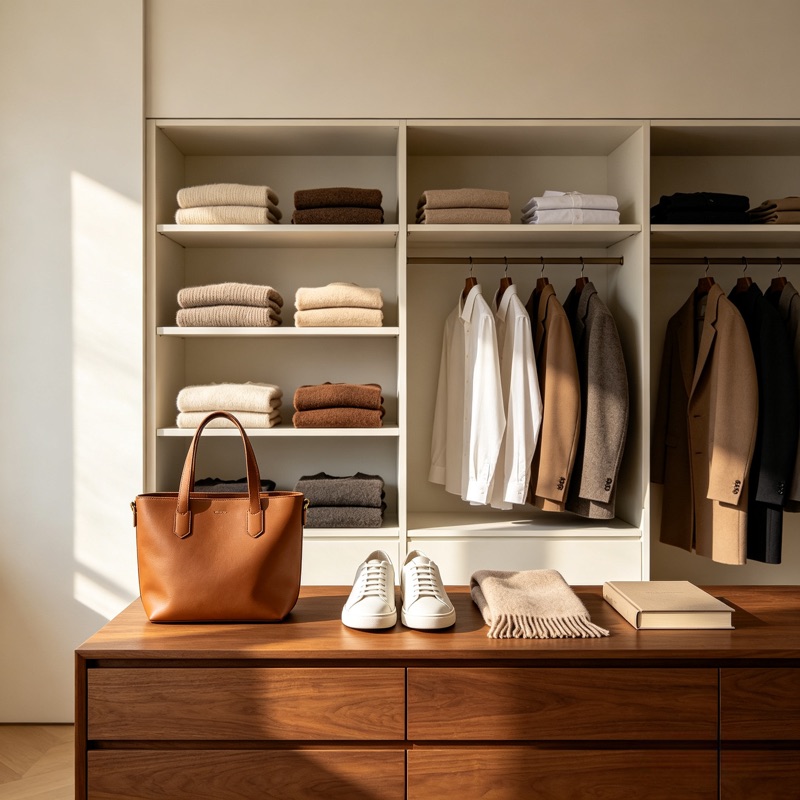
The interaction between these two concepts is reciprocal and continuous. Lifestyle choices determine the needs and preferences that guide style, while the style one adopts influences how they engage with and experience their daily life. This dynamic is clearly visible in broader cultural shifts, such as the rise of the “athleisure” movement we explored earlier. The growing emphasis on health, mobility, and work‑life balance created a demand for clothing that functions across multiple contexts, which in turn redefined fashion itself. Similarly, the increasing focus on mindfulness and simplicity has given rise to minimalist style—clean lines, neutral palettes, and fewer but higher‑quality pieces—mirroring a lifestyle that prioritizes clarity, purpose, and reduced excess.
This connection is also evident in the lives of the icons we admire. Zendaya demonstrates a style that evolves alongside her expanding career and artistic growth, balancing youthful energy with mature sophistication. Catriona Gray showcases a lifestyle rooted in cultural pride and advocacy, which is reflected in every garment she wears, blending tradition with modernity. Lisa and Hailey Bieber each present a distinct approach: one defined by bold creativity and global influence, the other by refined simplicity and balanced living. Their choices prove that style follows the path of life; as priorities change, so does the way we choose to present ourselves.
When this relationship is harmonious, it creates a sense of authenticity that is immediately recognizable. There is no dissonance between who a person is, how they live, and what they wear. This alignment brings a natural confidence that no amount of expensive clothing or careful styling can achieve on its own. It transforms appearance from something put on for others into something that is truly part of the self.
Influence of Media, Entertainment, and Global Culture
In today’s interconnected world, the relationship between style and lifestyle is also shaped significantly by global media, entertainment, and digital communication. Films, music, red‑carpet events, and social media platforms provide a constant stream of inspiration, introducing new ways of dressing, living, and thinking. Entertainment does not only showcase trends; it often presents entire lifestyles—ways of working, relaxing, socializing, and expressing oneself—that resonate with audiences across borders. This influence has created a global culture where ideas travel quickly, yet it also presents a challenge: the temptation to adopt styles or lifestyles that do not align with one’s own reality or values. True distinction comes from the ability to take inspiration and adapt it authentically, rather than adopting it blindly. This is where the essence of lasting style lies: it is not about looking like someone else, but about using available influences to create something that feels true and personal.
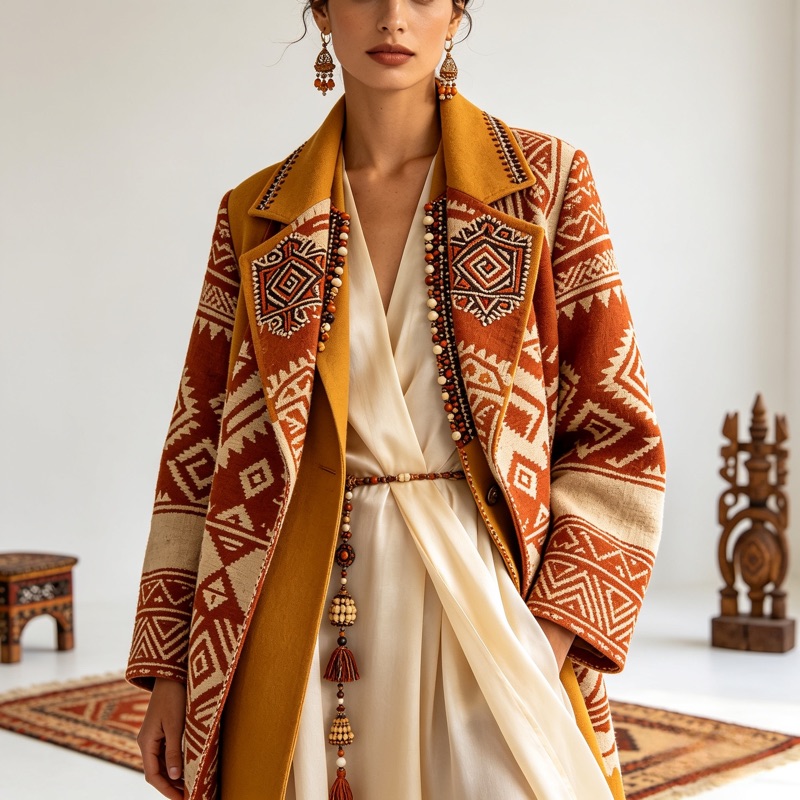
Moreover, the global exchange of ideas has expanded the possibilities available to individuals. We now have access to traditions, designs, and philosophies from every part of the world, allowing us to build a lifestyle and style that is uniquely our own. We can draw from Eastern principles of harmony, Western ideas of innovation, and indigenous concepts of sustainability, weaving them into a way of living that feels both modern and meaningful. This cross‑cultural exchange enriches our understanding of what is possible, reminding us that there is no single “correct” way to live or look.
Quality, Purpose, and Longevity
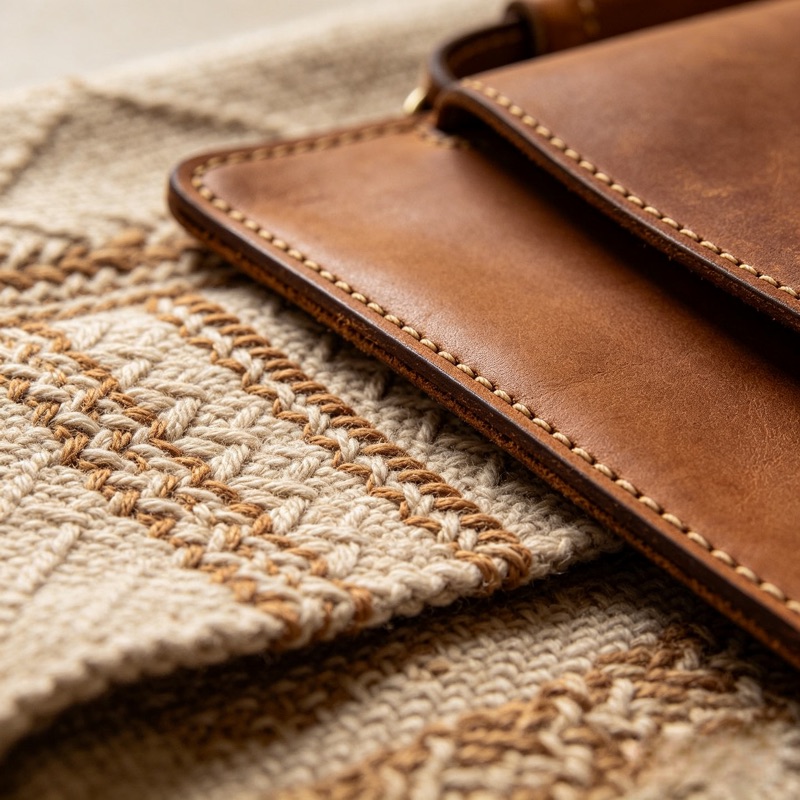
Another critical dimension of this relationship is the concept of value and sustainability. In the past, style was often associated with constant change and consumption, while lifestyle was measured by quantity and status. Today, however, the perspective is shifting toward quality, purpose, and longevity. There is a growing recognition that a meaningful style is built on pieces that last, and a fulfilling lifestyle is built on experiences rather than possessions. This shift aligns with the philosophy we uphold at Glamour & Talent: that true glamour is not defined by cost or exclusivity, but by authenticity, intention, and the ability to stand the test of time. When style and lifestyle are aligned in this way, they bring greater satisfaction, reduce waste, and create a more coherent and meaningful personal identity.
This focus on quality also encourages a more thoughtful approach to consumption. Instead of viewing clothing and goods as disposable items to be replaced with every new season, we begin to see them as investments that support our way of life. A well‑made garment, like a well‑structured daily routine, serves its purpose for years, adapting to different occasions and remaining relevant as time passes. This mindset promotes a lifestyle that is less about accumulation and more about appreciation, where every choice is made with intention and awareness.
Building a Coherent Personal Identity
Ultimately, the union of style and lifestyle serves as the foundation of a strong and recognizable personal identity. When both elements work together, they create a consistent image that others can understand and respect, while also giving the individual a clear sense of direction. It allows us to navigate the world with confidence, knowing that our outer presentation matches our inner beliefs. This coherence reduces the stress of decision‑making, as choices about what to wear, how to spend time, and how to present oneself become simpler when guided by a clear set of values.
In a world that often prioritizes appearance over substance, understanding this connection allows us to build a more intentional and harmonious way of living. It reminds us that every choice we make—from the clothes we wear to the activities we pursue—contributes to the story we tell about ourselves. As we continue to explore the intersections of fashion, culture, and entertainment, we see clearly that the most enduring and admired images are not those that follow every trend, but those that remain true to who they are.
Conclusion
Style and lifestyle are two sides of the same coin, inseparable and continuously influencing one another. Style is the visual language through which we express our lifestyle, while lifestyle provides the meaning and context that give style its depth and relevance. It is a relationship that evolves with us, grows as we learn, and deepens as we discover more about our own values and purpose. By understanding how these two elements connect, we gain the power to shape our own narrative, presenting ourselves to the world not as copies of others, but as complete, authentic individuals. Ultimately, style without lifestyle is merely decoration, while lifestyle without style remains unseen and unexpressed. Together, they form the complete picture of who we are and how we choose to live.


Comments
Post a Comment