Red Carpet Evolution: How Celebrity Style Has Transformed From Classic Elegance to Modern Individuality
Red Carpet Evolution: How Celebrity Style Has Transformed From Classic Elegance to Modern Individuality
Published: June 25, 2026
Category: Fashion History • Celebrity Style • Cultural Trends
Source: Glamour & Talent: Hollywood Models ~ Fashion Blog World Alliance – In Association with Hollywood.com
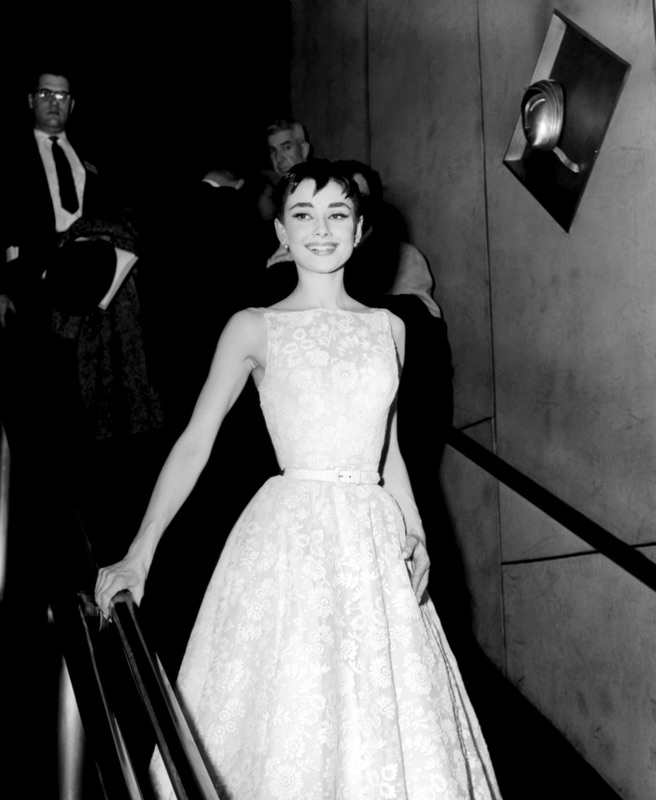
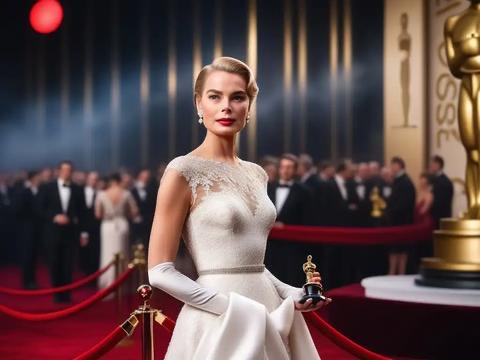
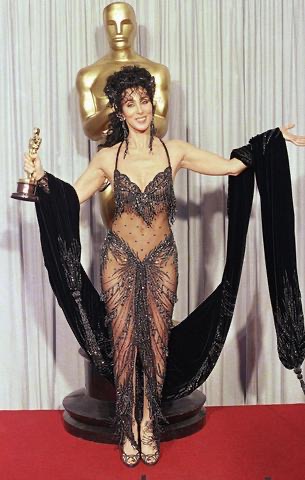
For over a century, the red carpet has served as the ultimate stage for glamour, where the world gathers to witness the finest expressions of style and sophistication. Originally conceived as a simple pathway to guide guests and mark the significance of an event, it quickly evolved into a global showcase that defines the boundaries of fashion. For much of its history, red-carpet fashion followed a strict, predictable code: adherence to tradition, conformity to established norms of beauty, and an unwavering focus on elegance and refinement. However, in recent decades, this landscape has shifted dramatically. What began as a display of class and status has transformed into a powerful platform for self-expression, creativity, and personal storytelling. Today, the red carpet is no longer just about wearing the most expensive gown or the most tailored suit—it is about making a statement, celebrating identity, and redefining what it means to look “stylish.” This evolution reflects broader changes in society, where individuality and authenticity have become more valued than mere tradition.
The Era of Classic Elegance: Uniformity and Tradition
From the mid‑20th century through the 1980s, red‑carpet fashion was defined by a clear and consistent aesthetic. The prevailing rule was simple: look polished, refined, and universally appealing. Women wore floor‑length gowns in neutral or soft tones, constructed from luxurious fabrics such as silk, satin, lace, and tulle. Silhouettes were structured, modest, and designed to flatter without drawing excessive attention; necklines were conservative, hemlines long, and embellishments kept to a minimum. Men’s attire was equally standardized: black‑tie tuxedos, dark suits, crisp white shirts, and classic ties, with little room for deviation.
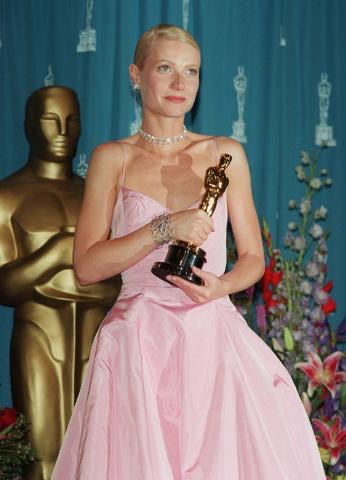
During this period, the goal was to blend into a shared vision of glamour rather than stand apart. Fashion was dictated by designers, stylists, and industry expectations, and celebrities were expected to act as living mannequins representing the ideals of the time. Style was seen as a reflection of social standing and good taste, and any departure from the norm was often met with criticism. While these looks remain timeless and beautiful, they offered limited insight into the personality, background, or values of the person wearing them. The message was uniform: elegance was defined by conformity.
The Shift: Breaking Boundaries and Embracing Diversity
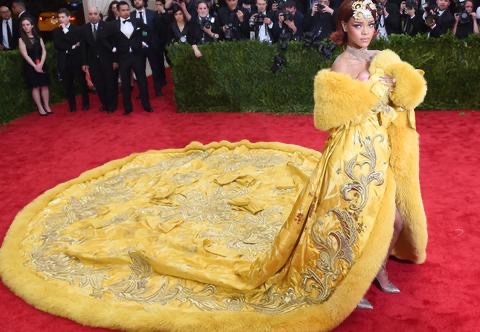
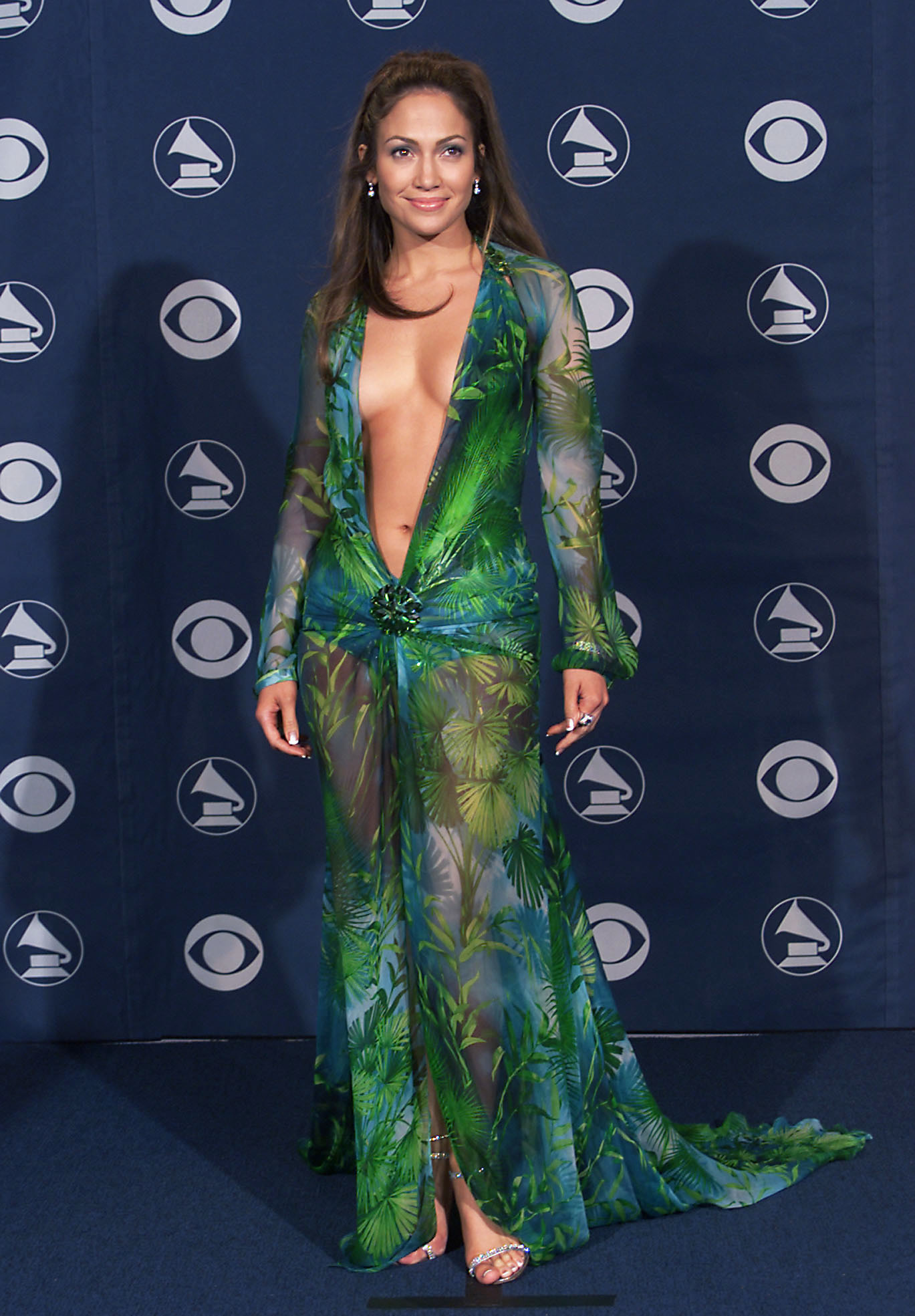
Beginning in the 1990s and accelerating through the 2000s, a gradual but profound shift began to take place. As the entertainment industry became more global and inclusive, the rigid rules of the past started to loosen. Celebrities began to realize that their appearance could be used to communicate more than just beauty—it could be used to express culture, personality, and even social messages. Designers, too, began to experiment with shape, color, texture, and concept, moving away from traditional forms toward more artistic and daring creations.
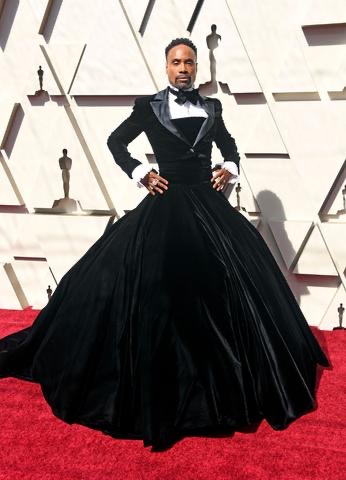
This transition marked the moment when style became personal. The red carpet became a space where rules were rewritten, and where uniqueness became the new standard. It was no longer enough to look good; one had to look distinctive. This shift also coincided with the rise of social media, which allowed audiences to engage directly with these looks, turning every appearance into a global conversation. As a result, the pressure to follow trends was replaced by the desire to set them, and the definition of “suitable” attire expanded to include everything from avant‑garde structures to cultural heritage pieces.
Modern Icons: Style as Identity and Storytelling
Today, the evolution is complete. The red carpet is a living gallery where every choice carries meaning, and many of today’s brightest stars have mastered the art of using fashion to tell their own unique stories.
Zendaya stands as one of the most influential figures of this new era. She moves effortlessly between high‑concept couture, vintage‑inspired silhouettes, and bold, modern designs, often collaborating closely with designers to ensure each look reflects her artistic vision. Whether wearing a classic gown or a daring, sculptural creation, her choices are never random; they represent confidence, versatility, and a deep understanding of how fashion can evolve with the wearer. She has proven that style is not static—it grows as the individual grows.
Catriona Gray has redefined the red carpet by weaving heritage into high fashion. Famous for her “Lava Gown” and many other creations, she consistently incorporates Filipino textiles, weaves, and traditional craftsmanship into her formal wear. Her approach demonstrates that modern glamour does not require abandoning one’s roots; instead, it celebrates them. By blending international luxury with local artistry, she shows that identity can be worn proudly, turning every appearance into a cultural statement that resonates across borders.
Lalisa “Lisa” Manobal represents the fusion of global pop culture and high fashion. As a performer and style icon, she brings energy, edge, and fearlessness to the red carpet. Her looks range from sleek, minimalist elegance to bold, experimental designs that challenge conventional ideas of formality. She has shown that the red carpet can accommodate the same dynamism seen in music and entertainment, proving that youth, innovation, and individuality have a rightful place alongside tradition.
Hailey Bieber exemplifies the rise of refined minimalism and modern sophistication. She favors clean lines, neutral palettes, and architectural silhouettes, often mixing luxury brands with understated details. Her style communicates confidence and calm, emphasizing that impact does not always come from loud colors or excessive decoration, but from fit, proportion, and a clear sense of self. She represents a generation that values simplicity and authenticity over excess.
Together, these icons illustrate the core of the modern red‑carpet philosophy: style is a reflection of who you are, not just what is popular.
Beyond Trends: The New Meaning of Red‑Carpet Fashion
This transformation has changed not only how celebrities dress but also how the public perceives fashion itself. The shift from classic elegance to modern individuality teaches us that there is no single standard of beauty or sophistication. A gown that honors cultural heritage is just as elegant as a traditional ballgown; a tailored suit with a unique twist is just as appropriate as a classic tuxedo.
Furthermore, this evolution connects directly to our earlier discussions on fashion perception and value. Just as we have explored how quality and identity matter more than price or brand, the red carpet now proves that the most memorable looks are those that carry intention and authenticity. They are the looks that people remember, not because they were expensive, but because they felt true.
The journey of red‑carpet fashion is a mirror held up to society itself. It began with a focus on uniformity and tradition, moved through a period of experimentation, and has arrived at an era defined by freedom and self‑expression. From the structured gowns of the past to the bold, personal statements of today, the red carpet remains the ultimate symbol of glamour—but its meaning has expanded. It is no longer just about looking good; it is about being seen, heard, and understood. As stars like Zendaya, Catriona Gray, Lisa, and Hailey Bieber continue to lead the way, they remind us that true style is timeless not because it never changes, but because it always reflects the identity of the person wearing it.


Comments
Post a Comment